The Influence of Sugar During Pregnancy and Early Childhood on Future Adult Health

Sugar isn’t just a treat. It can be a signal that shapes how the body builds itself. We dig into a remarkable paper published in *Science* that used post World War II UK sugar rationing as a natural experiment, then matched it to UK Biobank outcomes to ask a blunt question: what happens when added sugar is restricted during pregnancy and the first 1,000 days of life?

We walk through what changed when rationing ended in September 1953 and sugar intake jumped almost overnight, creating clear comparison groups. The results point to meaningful differences in adult risk for type 2 diabetes and high blood pressure, plus a delay in disease onset for those who still developed problems. That “windows of exposure” story opens the door to epigenetics: how environment influences gene expression through mechanisms like DNA methylation, especially during fetal development and early childhood.

From there, we connect the dots to classic epigenetic proof like the agouti mouse model, and to human research from the Quebec ice storm that links maternal stress and disrupted food supply to lasting metabolic and mental health effects in offspring. We also raise a timely question about GLP-1 medications: if appetite drops and nutrient gaps appear, what might that mean for future pregnancy outcomes?

If you care about pregnancy nutrition, added sugar, metabolic health, and prevention, this one will change how you think about “small” daily choices. Subscribe, share this with a friend, and leave a review with your biggest takeaway.

Exposure to Sugar Rationing in the First 1000 Days of Life Protected Against Chronic Disease

Sugar Restriction in Pregnancy Slides


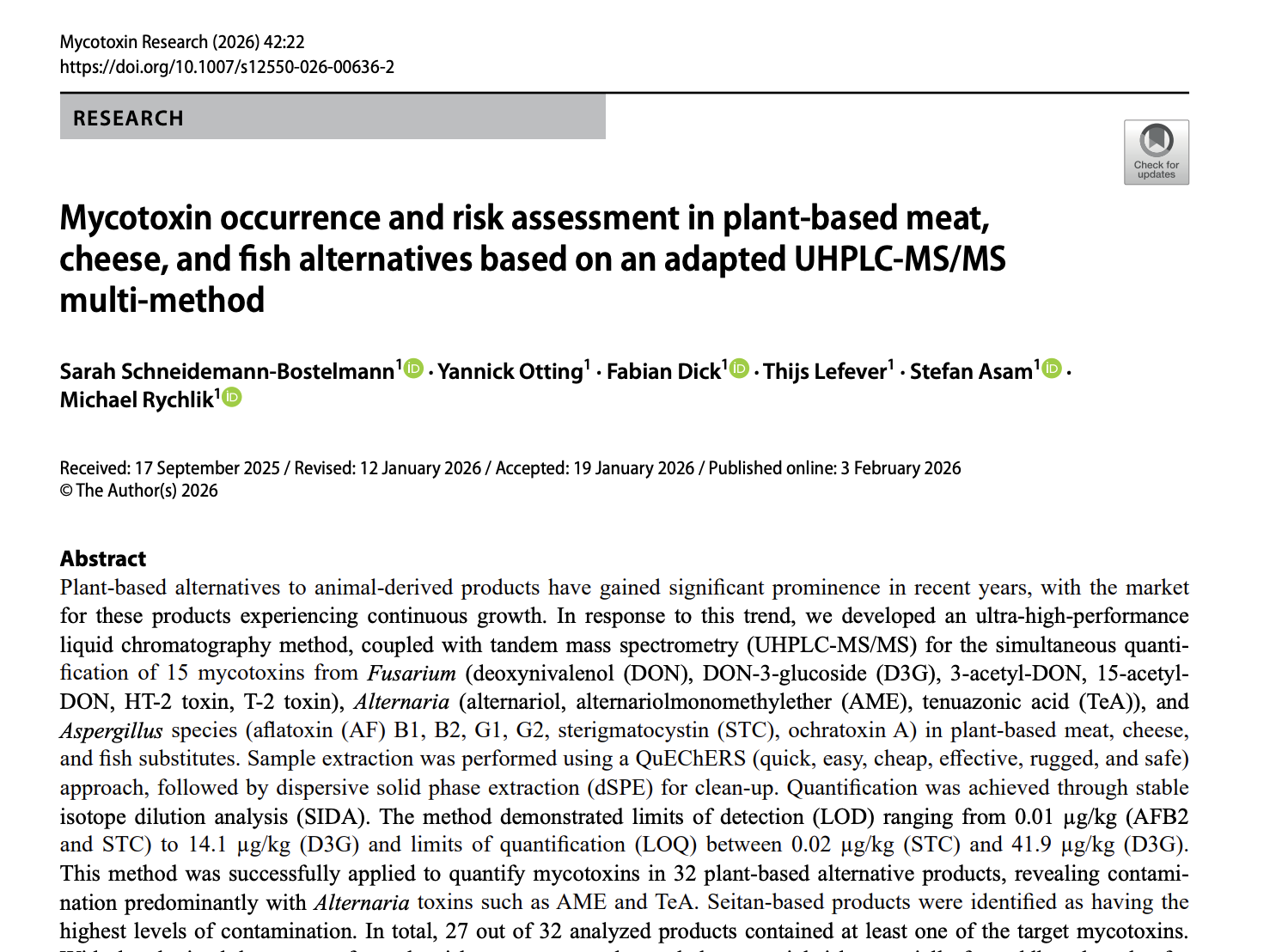
Mycotoxins In Plant-Based Foods

100% of tested samples is not a rounding error. Drs. Mark Pettus and John Bagnulo walk through new research on mycotoxins in commercially available plant-based meat, cheese, fish, and beverage alternatives and explain why mold toxins deserve a place in any serious conversation about modern nutrition. We dig into what the lab methods measured, why wheat-gluten based seitan products can be especially vulnerable, and how gaps in food safety oversight can leave “plant-based” products outside the regulatory spotlight many of us assume exists.

From there, we connect the dots to what listeners actually care about: symptoms, labs, and long-term risk. We talk about common mycotoxins like aflatoxin and ochratoxin A, the reality of daily exposure when staples like wheat, corn, soy, and oat products show up at every meal, and why quantity matters as much as concentration. We also explore how these toxins can be lipophilic, how they may interact with obesity and fatty liver biology, and what research suggests about lipid changes like higher triglycerides and lower HDL.

We then zoom out to the systems most likely to take the hit: immune function, endocrine signalling, and the gut microbiome. We cover increased gut permeability, endotoxemia, inflammation, and the unsettling synergy where mycotoxins may worsen outcomes in the presence of latent viruses like Epstein-Barr or herpes family viruses. Finally, we end with grounded, doable steps: reduce reliance on ultra-processed meat analogs and dairy substitutes, do your own homework, and support elimination pathways including bile flow and bile binding strategies such as beets and specific fibers.

Subscribe for more evidence-based self-care, share this with someone who relies on plant-based substitutes, and leave a review with your biggest takeaway or question.

Mycotoxins Slide Deck

Effects of mycotoxins in foods on human health and strategies for prevention and control- A review

The role of mycotoxins in lipid metabolism and homeostasis- a systematic review

Mycotoxin contamination in plant-based beverages and meat alternatives- A survey of the UK market

Endocrine Effect of Some Mycotoxins on Humans- A Clinical Review of the Ways to Mitigate the Action of Mycotoxins

Mycotoxin- Its Impact on Gut Health and Microbiota

Fungal mycotoxins in food commodities- present status and future concerns

Mycotoxins in Food- Cancer Risks and Strategies for Control